For many organisations, the opportunity is not to replace their existing website, marketplace, or customer journey. It is to introduce auction functionality into the digital experience they already own. iRostrum’s auction architecture is designed to make that possible, creating the foundation for embedded auction widgets and client-owned auction experiences.
By Greg Horne, iRostrum
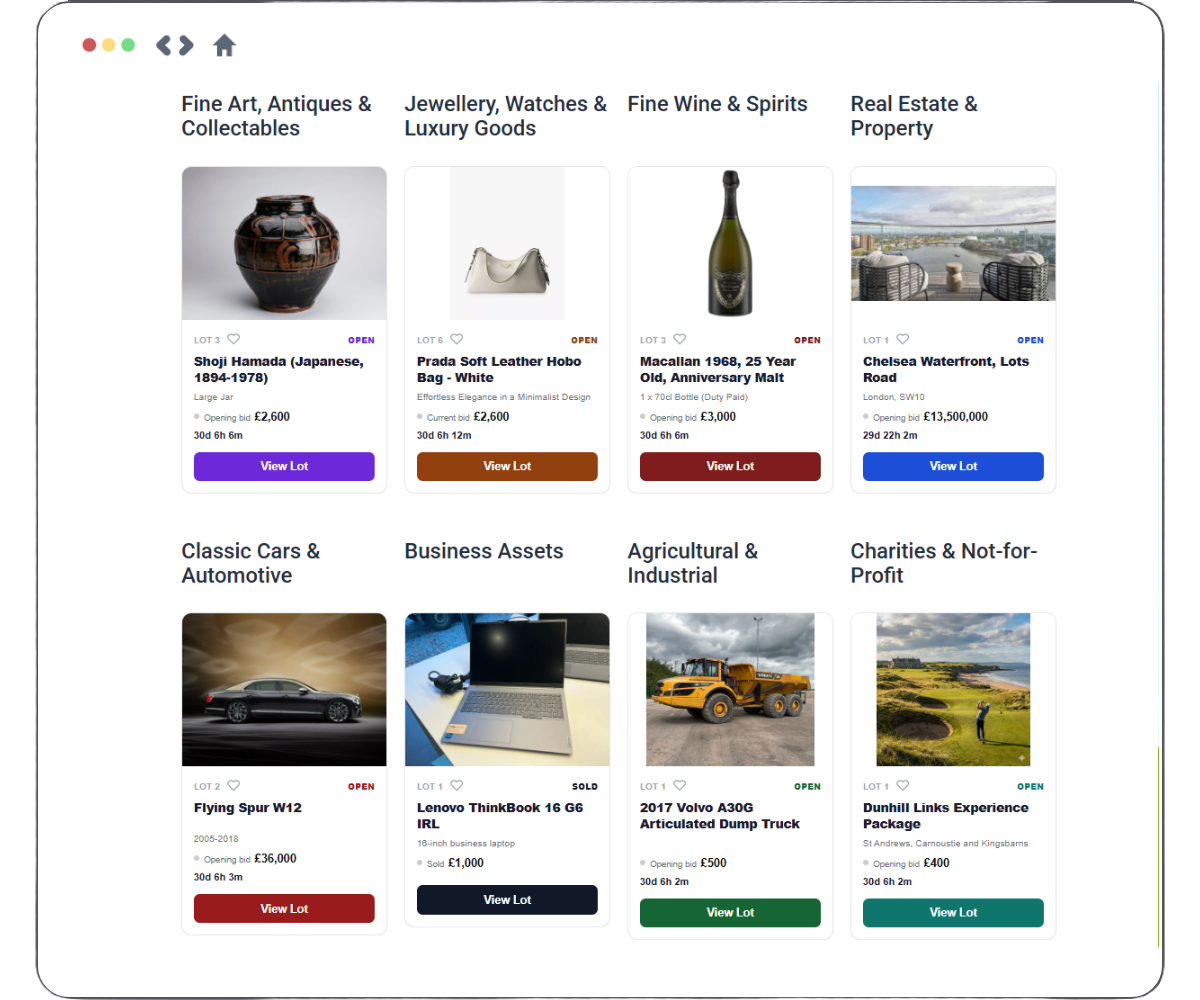
Online auctions are no longer limited to traditional auction houses or dedicated auction platforms.
More organisations are looking at auctions as a way to create urgency, test market value, sell specialist stock, support timed events, or introduce new transaction models into an existing digital business.
But there is often a practical barrier.
The organisation already has a website. It may already have customer accounts, product listings, payments, fulfilment processes, marketing systems and reporting workflows. Replacing all of that with a separate auction platform may be too disruptive. Building auction infrastructure internally may be too expensive, too slow, or too specialist.
That is where embedded auction capability becomes important.
The question is no longer simply: should we have an auction platform?
For many businesses, the better question is:
How can we add auction functionality to the digital journey we already own?
iRostrum’s API-first auction infrastructure is designed for organisations that want to introduce auction functionality without rebuilding their entire digital operation around it.
Instead of forcing every auction journey into a separate destination, lightweight auction components can be exposed and embedded into an existing website, marketplace, listing page or sector-specific customer journey.
The organisation keeps control of the customer experience. iRostrum provides the specialist auction infrastructure behind it.
That distinction matters.
Customer relationships, brand experience, account journeys, payments, fulfilment, reporting and communications can remain under the organisation’s control. Auction execution, bid processing, auction timing, auction state and real-time event handling can be powered by iRostrum.
This creates a more flexible route for organisations that want to test, launch or scale auction-led selling without creating unnecessary operational complexity.
Many auction opportunities do not start with a blank sheet of paper.
A marketplace may want to introduce auctions for selected listings.
A luxury seller may want to create timed events around scarce inventory.
A property business may want to support transparent bidding windows.
A charity may want to add live fundraising mechanics to an existing campaign.
An asset disposal business may want to surface live bid activity within its own catalogue.
In each case, the auction layer needs to work with the digital environment around it.
Embedded auction components make that possible by allowing auction functionality to appear where the customer already is. Current bid activity, auction status, timing information and bidding interactions can be surfaced directly within an existing page, while live auction data is supplied by iRostrum’s API-first infrastructure.
The result is a faster, more controlled route to market.
The best way to understand the opportunity is to see how the same auction infrastructure can support different sector journeys and embedded bidding experiences.
Each example below shows how auction functionality can be presented in a way that feels appropriate to the market, the asset type and the buyer expectation.